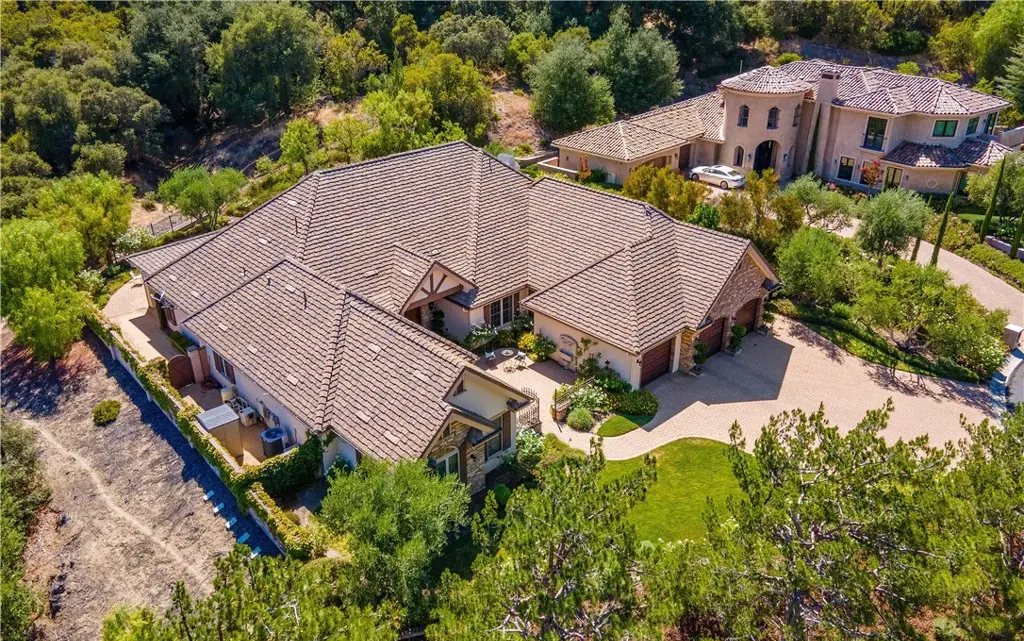
Aerial shots sell listings, but flying a drone commercially without following federal rules creates real liability: for the pilot, and for whoever hired them. Here's what actually governs real estate drone work in Nevada and California, beyond "get a permit."
Part 107 Certification Is Not Optional
Any drone flight taken for a business purpose, including real estate marketing, falls under the FAA's Part 107 rule and requires the pilot to hold a Remote Pilot Certificate.1 A friend or family member who "has a drone" and offers to shoot a listing for free is very likely flying illegally under Part 107 the moment those photos are used commercially. That exposure doesn't stay with the pilot alone: the agent or broker who arranged the flight can be pulled into the liability if something goes wrong.
Airspace Authorization (LAANC)
Much of the Las Vegas valley sits in controlled airspace tied to Harry Reid International Airport, and large parts of the Los Angeles and San Diego basins sit under similarly controlled airspace near major airports. Flying in controlled airspace requires real-time authorization through the FAA's LAANC system before the flight, not after.1 A certified operator checks this automatically as part of every flight plan. An uncertified one usually doesn't know it's required at all.
Rules That Catch People Off Guard
- 400 feet above ground level is the standard altitude ceiling for Part 107 operations
- Visual line of sight is required: the pilot (or a visual observer) has to be able to see the drone at all times without relying only on a screen
- No flying directly over non-participating people who haven't consented to be part of the operation
- Night flights are allowed under Part 107 without a separate waiver, but only with anti-collision lighting visible for several miles, a rule change from the original 2016 version of Part 107
State and Local Layers on Top of Federal Rules
Part 107 governs the flight itself, but it doesn't override property, privacy, or local law. HOAs and individual municipalities can and do impose their own drone restrictions, and using a drone to capture footage of a neighboring property without consent can raise separate privacy concerns regardless of FAA compliance. These rules vary block to block more than most agents expect, so a quick check of the local HOA's rules is worth the five minutes before a shoot, not after a complaint.
Ask for their Part 107 certificate number, ask whether they handle LAANC authorization directly, and confirm they carry liability insurance. If any of those three answers is vague, that's the flight to skip.
Why This Matters for the Listing, Not Just the Pilot
An uncertified flight that gets grounded, fined, or involved in an incident doesn't just affect the photographer: it can delay the listing, create a liability question for the brokerage, and in a worst case become a story about the property itself. The certification requirement exists specifically because commercial drone use around people and property carries real risk, and it's a five-minute check that removes nearly all of it.
Book FAA-Certified Aerials
Every drone shoot is flown by an FAA Part 107 certified pilot, with airspace authorization handled before we ever show up.
See Packages & PricingSources & Further Reading
Figures cited above come from the following industry research and official sources. We link to the original reporting so you can read the methodology yourself.
- Commercial Drone Operators (Part 107) Federal Aviation Administration