
When inventory moves fast, photos confirm a decision buyers have already made. When it slows down, photos are the decision. Here's what actually separates a listing when buyers have six comparable options.
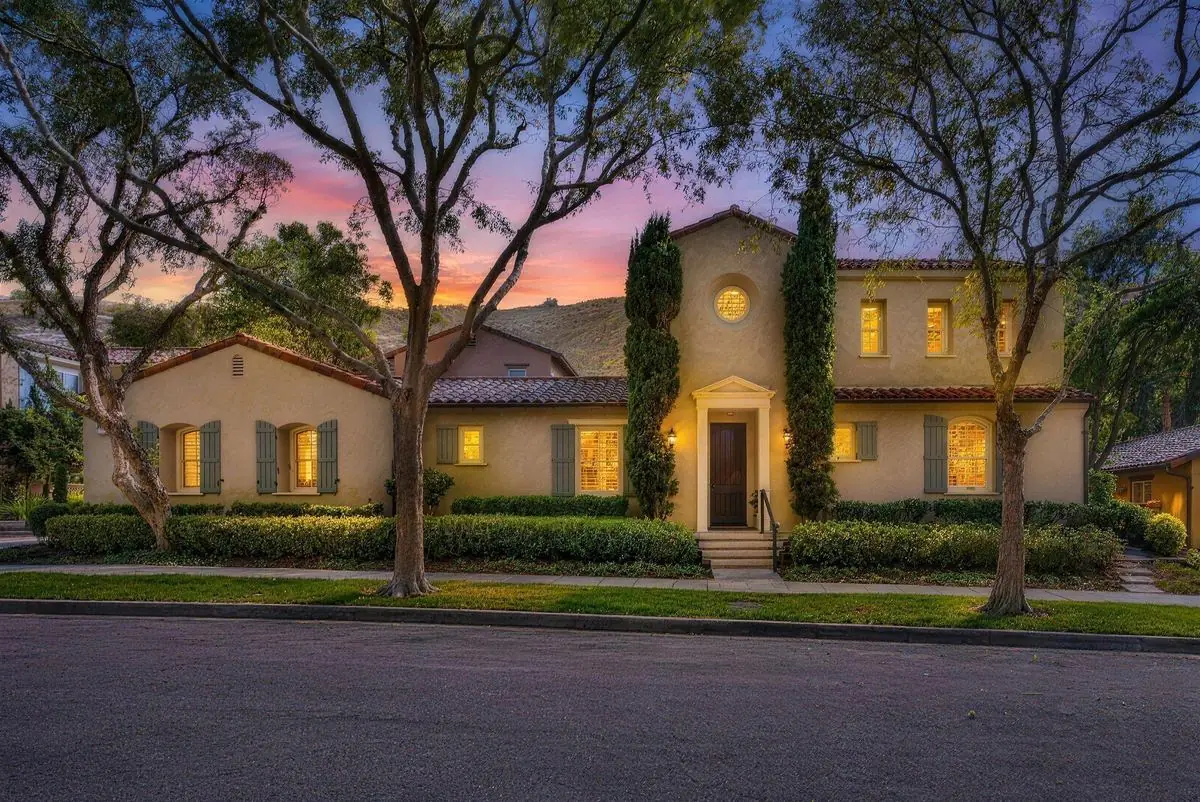
Slow markets change what photos are for
In a fast market, listing photos mostly confirm a decision a buyer has already half-made. Inventory is thin, so they are scrolling to find anything that fits. In a slow market the job reverses: buyers have options, they are comparing your listing against six similar ones, and photos are the only thing separating them at the scroll stage.
That matters because of how buyers actually consume a listing. Redfin eye-tracking research found buyers spend roughly 60% of their time looking at photos, compared with about 20% on the property description and 20% on agent comments.1 When six comparable homes are on market, the one that photographs best gets the showings.
What actually differentiates a listing
1. Fix the thumbnail before anything else
Your cover photo is the entire listing to most buyers, because it is all they see in a search results grid. If your lead image is a flat, midday front elevation shot into the sun, you are losing traffic before anyone opens the listing. Twilight exteriors and well-lit interior hero shots dramatically outperform as thumbnails.
2. Add media the comps don't have
If every competing listing has 25 photos and nothing else, adding a walkthrough video, a 3D tour, or a floor plan is a genuine differentiator rather than a nice-to-have. Floor plans in particular do quiet work: they answer the layout question that otherwise costs you a wasted showing, and they help serious buyers self-qualify.
3. Shoot the neighborhood, not just the house
In a slow market buyers are also choosing between areas. Aerial context showing proximity to a golf course, mountain views, a community pool, or a good street tells a story a room-by-room gallery cannot. This is where drone work stops being decorative.
4. Re-shoot before you reduce
This is the one most agents get backwards. When a listing stalls, the reflex is a price reduction. But a reduction is permanent, public, and expensive, while a re-shoot costs a few hundred dollars and resets how the listing presents. If the original photos were weak, or the home was shot in the wrong season or wrong light, re-shooting before reducing is the cheaper experiment.
Photography does not fix a listing that is priced wrong. If the home is 10% over market, better photos will get you more traffic and more people confirming it is overpriced. Presentation buys attention, not a different valuation.
The refresh play
If a listing has been sitting, this sequence tends to work better than an immediate reduction:
- Re-shoot with different light. A home shot flat at noon in July looks like a different property at twilight, or in morning light with the landscaping fresh.
- Change the lead photo. Even with the same gallery, a new thumbnail changes click behavior in search results.
- Add one media type you didn't have. Video, 3D, floor plan, or aerials.
- Then run paid distribution. New creative is worth putting budget behind. Old creative usually is not.
- Reduce only after you've confirmed the traffic problem isn't a presentation problem.
What good looks like
A listing that competes well in a slow market usually has: a twilight or hero-lit cover image, 30+ consistent interior frames with straight verticals and windows that aren't blown out, a floor plan, aerial context, and at least one video or 3D asset. That is not an upsell list, it is roughly what the top quartile of listings in a competitive market carry.
Sitting on a stale listing?
Send us the address. We'll tell you honestly whether it's a photo problem or a price problem before you spend anything.
See Packages & PricingSources & Further Reading
Figures cited above come from the following industry research. We link to the original reporting so you can read the methodology yourself.
- Homes Listed with Professional Real Estate Photos Sell Quicker and For More Money Redfin Research
- Professional Real Estate Photography Sells Homes 32% Faster VHT Studios, via PR Newswire
- Research & Statistics National Association of Realtors®