
An empty room photographs flat and hard to picture living in. Both real and virtual staging solve that, but at very different costs, with different tradeoffs that matter beyond just the photos.
What Each One Actually Is
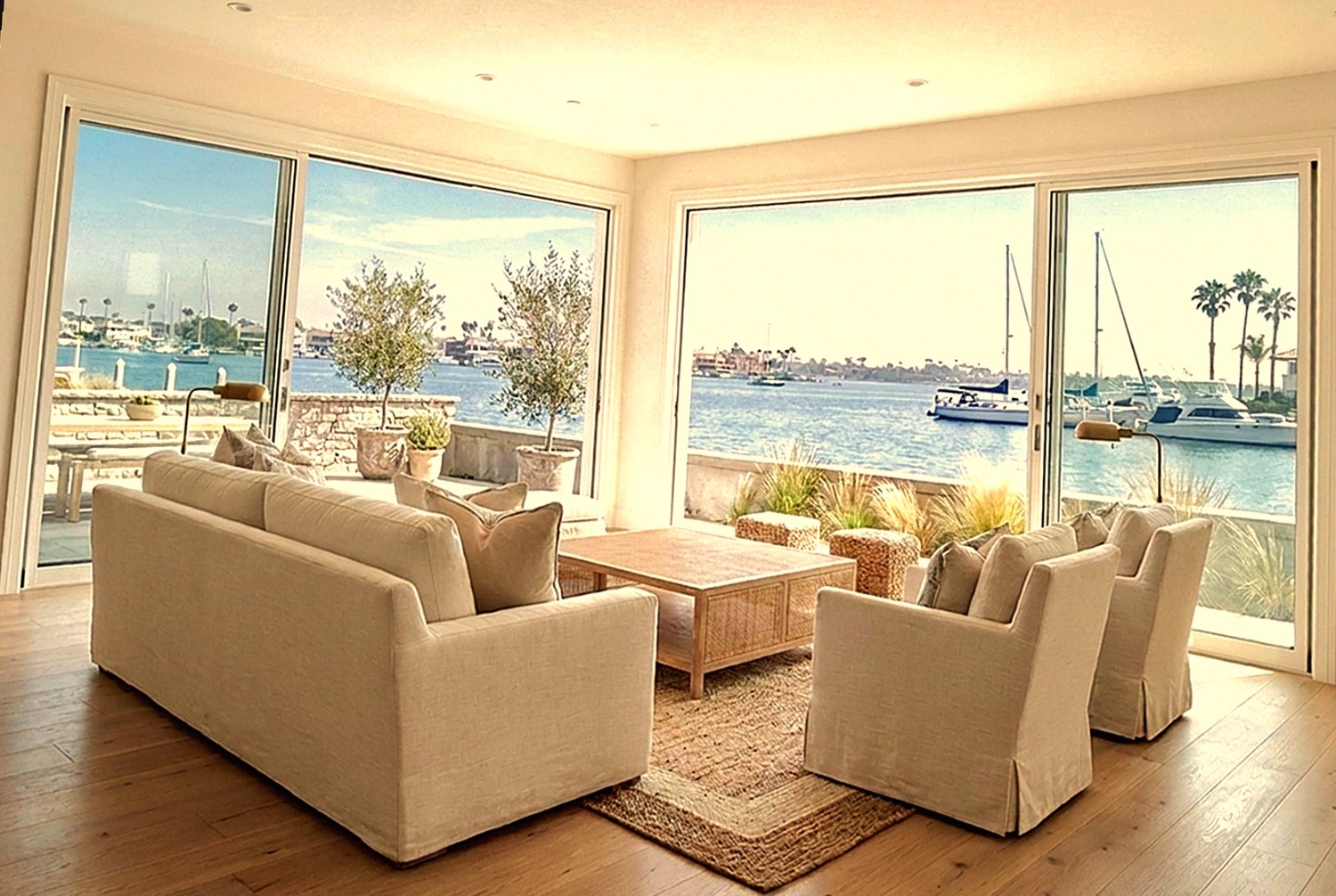
Real staging means physical furniture and decor are rented and placed in the home before the shoot, and stay through the listing period. Virtual staging means the room is photographed empty, and furniture is added digitally in post-production. The room itself is never touched.
| Typical cost | What you get | |
|---|---|---|
| Real staging (occupied consult) | A few hundred dollars | Styling advice using furniture already in the home |
| Real staging (vacant home) | Often $2,000-$6,000+ for the first month, plus ongoing rental | Full furniture rental, delivery, and installation |
| Virtual staging | Roughly $30-$100 per room, per image | Digitally furnished photos only, no physical change to the home |
What You Gain and Lose With Each
Real staging
Buyers who tour the home in person see the actual staged space, which helps with scale and flow in a way photos alone can't. The cost is real, though, and vacant-home staging usually involves movers, a storage timeline, and a delay between booking the stager and the home being shoot-ready.
Virtual staging
It's fast and inexpensive, and it's easy to try more than one furniture style on the same empty room. The tradeoff is that it only helps the photos: anyone who walks through the actual vacant home still sees an empty room, which can create a gap between what buyers saw online and what they see at the showing. It also has to be clearly disclosed as virtually staged, both in the image and typically in the listing remarks, to stay compliant with most MLS rules.1
Which One Actually Sells Better?
NAR's ongoing research into home staging has repeatedly found that staging, in some form, helps buyers picture themselves living in a space and can shorten time on market.2 The research doesn't strongly distinguish "sells better" between physical and virtual staging specifically: the larger effect is simply moving a home from unstaged to staged in some form, rather than which staging method was used.
A Middle Path: Partial Staging
In practice, the most cost-efficient approach for a lot of listings is staging only the rooms that matter most in photos and showings (typically the living room, primary bedroom, and a kitchen island vignette) and leaving smaller secondary rooms empty or virtually staged. It captures most of the visual benefit of full staging without the full cost.
Our Premier package includes virtual staging as one of its deliverables, so if a listing needs it for a specific empty room, it doesn't have to be a separate vendor or a separate cost.
See Packages With Virtual Staging
Premier includes virtual staging alongside real twilight, a 3D tour, and a full agent marketing kit.
See Packages & PricingSources & Further Reading
Figures cited above come from the following industry research and official sources. We link to the original reporting so you can read the methodology yourself.
- MLS Photo Requirements: What Agents Need to Know Vuepoint Visuals
- Research & Statistics National Association of Realtors®